As it turns out, I’m not the only SEO professional in the family. At 14, my daughter Chloe started creating a passive income stream, enviable to most teenagers, of up to $1,100 per month. She did it with only a few ingredients: a WordPress blog, a Google AdSense account and some basic SEO knowledge.
Like many young teenagers at the time, she was obsessed with the “virtual pet” website Neopets.com. So, like any enterprising young internet entrepreneur, she started a fan site, at NeopetsFanatic.com, and monetized it.
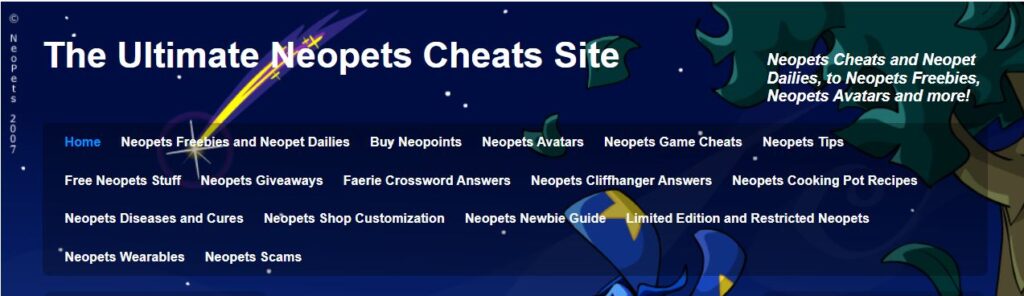
She researched profitable keyword niches like game cheats, avatars, neopoints and so on. Then she developed content around those niches. After that, she started building buzz and links, leveraging the angle that here’s a kid doing SEO. It doesn’t take very many bloggers picking up on that before you get traction in the Google results.
Pretty soon, she was getting enough visitors to make consistent money with Google AdSense. However, she wouldn’t have seen such great returns on her time spent if she hadn’t made the front page for her primary keyword target, “neopets cheats.”
I gave her some training and coaching, but she did all the work. And she was willing to put herself out there as a public figure — speaking to the media, speaking on stage at numerous conferences at 16 years old. Thanks to the speaking gigs and resulting press coverage, her blog ranked on the first half of page 1 in Google for “neopets.” Boom!
A decade later, my daughter continues to build on this early success, even with Neopets being a fad that’s well past its prime. She does SEO consulting for clients (yes, the apple doesn’t fall far from the tree) and continues to get in the limelight whenever possible.
The moral of the story: if a child can do it, so can you.
Though your mileage may vary, Chloe’s results are replicable with the right knowledge and the right strategies. Here are five tips to make SEO child’s play.
1. Look For Bankable Keyword Opportunities
Fueled by her passion for the topic of Neopets, she used a basic keyword tool to see how she could best reach people with her same interest. Today there are far more sophisticated options available, Semrush being one of the most powerful, but the core idea remains the same: understand how your audience searches.
She discovered that “neopets cheats” was hugely popular, showing up near the top of autocomplete suggestions. She set the bar a little lower because of the competition level, initially going after “neopet cheats” and getting traction on that keyword pretty quickly.
With that success, she was able to garner attention from bloggers, and with that additional authority, she set her sights higher for “neopets cheats.” Autocomplete and related searches effectively guided her site structure. All the categories of her blog were based in large part on popular Neopets-related queries.
Any online marketer can do the same. Exploring keyword niches related to a passion or adjacent interest can reveal opportunities to expand your site and reach new audiences.
Another tip: track the keywords your site already ranks for. If you are sitting just outside page one, those queries often represent the fastest path to meaningful traffic. Improving depth, clarity and usefulness on those pages can move them into higher positions.
2. See What Content Is Out There, And Figure Out How You Can Improve Upon It
The queries people search for are your insight into their intentions and interests.
Do you find that there are several blogs in your niche, but their coverage is shallow or incomplete? Flesh out ideas that provide needed depth and add real value. Want to become the go-to resource for a topic? Expand beyond surface-level content and cover the subject comprehensively.
Take note if searchers are using your internal site search. Are your visitors using terminology you are not? If you are using certain words, but your visitors are using different ones, you have a disconnect. Or perhaps they are searching for problems, but you are only focusing on solutions. That gap needs to be addressed.
For example, if people are searching for “treating frostbite,” and your content only focuses on products like hand warmers or sterile dressing, then you are missing the core intent behind the query.
3. Make Sure Your Site Is Palatable To Robots
For visitors to flock to your site, they need to be able to find it first. And although content should be written for people, it also needs to be accessible and understandable to search engines.
Here are a few essentials:
- Keep your navigation simple so important pages are easy to reach
- Keep URLs concise and logically structured
- Ensure important text is actual HTML text, not embedded inside images
- Avoid hiding key content behind interactions that require clicks or hovers
- Monitor crawling activity to confirm search engines are accessing your pages consistently
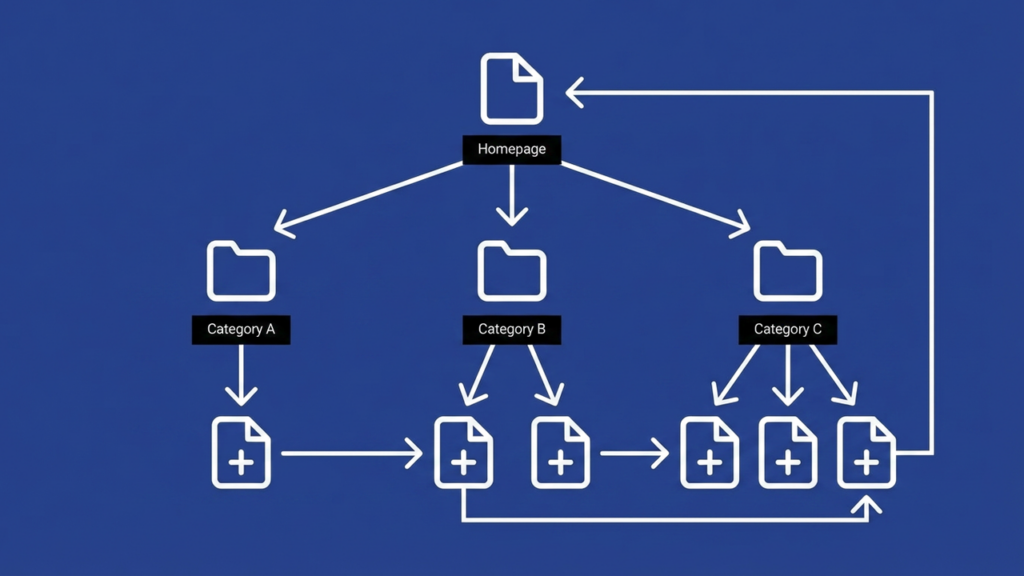
Search engines are far better at rendering modern websites than they used to be, but clarity and accessibility still matter.
4. Focus On Getting Links Rather Than Likes
Although social engagement can help with visibility, links remain a primary driver of search performance.
To acquire links, your content must be linkworthy, meaning high-quality, engaging, and useful. You also need to think carefully about where that content lives and what domain it lives on.
Keep it on your domain so the authority benefits your site directly. And make sure that domain is brandable. A linkworthy domain is memorable, easy to type, and not confusing when spoken aloud. If your domain is clumsy or forgettable, consider changing it. Aftermarket domains can be found for as little as a few hundred dollars. I bought ScienceOfSEO.com for $500, for instance. A few examples of brand and domain makeovers I have been involved in: Alpha & Omega Financial Services became Living Wealth at LivingWealth.com, and American Response Inc. became SkyCover at SkyCover.com. My wife made a similar move when iFitnessMind.com became Orion’s Method at OrionsMethod.com.
Finally, avoid making your blog feel like a sales page. A more editorial or resource-driven approach tends to attract far more links than content that reads like a promotion.
5. Build Your Credibility Over Time With Authority Marketing
Building authority goes beyond links. The links and the content are strong foundations, but they are not the whole picture.
Conferences related to your niche are still a powerful way to build visibility among experts and influencers. If you can secure a speaking opportunity, it can significantly elevate your perceived authority.
If you are starting from scratch, begin locally. Meetups and smaller events offer opportunities to build experience and connections. From there, you can expand into larger stages.
Collaboration is another effective path. Working with other experts on podcasts, articles or webinars exposes you to new audiences and strengthens your credibility.
Consider launching your own podcast. It provides a platform to share knowledge and creates a natural reason to connect with influential people in your space by inviting them as guests — something I have done for years on the Marketing Speak podcast.
Final Thoughts
By finding a valuable niche, building strong content and credibility, and making that content visible through search, you can create something that grows over time.
It is not effortless, but the fundamentals are straightforward. With consistency and focus, the results can compound.