“Link building” has become a bit of a loaded term in the past few years.
To some degree, this is justified. No one likes those dated and unprofessional “Hi, I was wondering if you would link to my site” emails. But the game has evolved, and frankly, I still love the term.
Why? Because it isn’t “link begging” or “link loophole finding,” it is link building. It describes the work and investment required to build a solid link portfolio, not based on favors and tricks, but on solid and remarkable content.
To do that, you are going to have to think about your own online habits. You’ll notice the stuff you are linking to isn’t product pages, category pages or home pages; it’s that article you love, that helpful buying guide, that creator review you bookmarked, or that comparison video you shared with a colleague. It’s the supplementary content on the site that makes users sit up and take notice, and the quicker your site can get in on the game, the quicker you’ll start seeing meaningful boosts in visibility.
Links still matter enormously, but they no longer operate in isolation. Brand mentions, creator references, YouTube visibility, newsletter mentions, and inclusion in AI-generated search experiences all contribute to discoverability. Strong content supports all of them.
“Content marketing” as a term has an arcane and abstract aura surrounding it, partially because it can mean so much and encompasses so many strategies. However, in e-commerce link building, it boils down to one thing: Give people a reason to reference you.
No matter if you’re going the informational route, the viral route, the deals route or something totally different, whatever you’re doing needs to be exceptional enough that somebody notices and is willing to give you their “vote” in the form of a link, a mention, a share, or a recommendation.
To do that, you’ll have to try, fail a few times, and develop a strategy that fits your brand’s unique voice and capabilities. However, I do have a few ideas to serve as a beginning template of concepts that can fit a wide array of e-commerce sites and brands (with plenty more in my book, Social eCommerce).
Here are some great ways to start:
Do A Survey Or Quiz
I’m a big fan of surveys because they are essentially the marketing muscle you already have but didn’t know you could flex.
Imagine having a mountain of data on your customers that gives you direct insight into what they want and how you can better provide it to them. You can even use surveys to direct leads into a buying funnel that is specific to their needs.
To make this more shareable, however, you need to make it easy and fun.
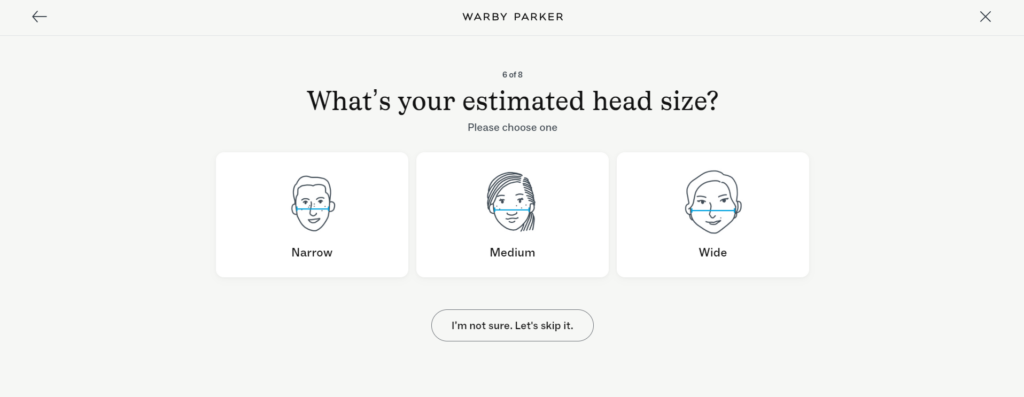
A strong example of this approach is Warby Parker’s “Find Your Fit” quiz. Instead of expecting shoppers to browse dozens of frames without direction, the brand helps users narrow their options through a short set of questions around face shape, style preferences, fit, and comfort.
The result feels less like product filtering and more like personalized guidance. That makes it useful enough to share and valuable enough to earn repeat visits.
This works because the quiz solves a real decision problem. It reduces friction, improves conversions, and creates something users are willing to recommend to others facing the same choice.
To do this with your own site, create a quiz relevant to your product’s niche, give it a strong premise, pair it with good design, and make the results genuinely useful.
For example, if you sell running shoes, don’t just ask “Which shoe should you buy?” Build something like “What Type of Runner Are You?” and connect the results to gait, terrain, mileage, and injury prevention. That creates something people will actually link to.
Buying Guides
A buying guide is another way to tap into a customer’s needs and desires and get them a customized answer to what they are looking for.
This can come in the form of a buying guide quiz that directs them to the right product, or an informational guide that answers the kinds of concerns consumers have before purchasing and offers further inspiration.
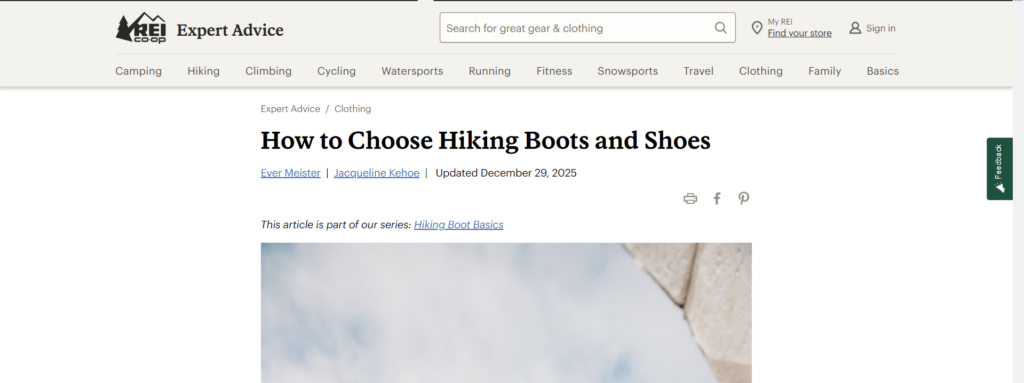
REI remains one of the best examples of this. Its guides don’t simply push products. They explain how to choose hiking boots, how insulation works in jackets, and what matters when buying camping gear. That educational layer is exactly what earns links and trust.
The key is not promotion. It is clarity.
The better your guide helps users make a decision, the more likely it is to be cited by bloggers, Reddit communities, Substack writers, and creators looking for a reliable reference.
Create An Authority Hub Or “Best Of” List
One of the easiest ways to get a link from sites you are interested in is to stroke a few egos. A great way to flatter a bunch of them at the same time is to create a “best of” list.
Whatever your niche, pinpoint a concise target such as:
- best design blogs
- best trail guides
- best fitness creators on YouTube
- best Substack newsletters for startup founders
- best sustainability brands to follow
Compile this information into a strong post, and then notify each of your winners that they’ve been featured.
Much of the time, they are flattered and will either spread word of the post on social media, link to it from their own site, or reference it in their newsletter.
This works especially well now because creators operate across multiple surfaces. A mention on a newsletter, LinkedIn post, or YouTube description can be just as valuable as a traditional blog link.
Category Pages Are An Opportunity
No one wants to link to a page that simply contains products, but I still see most category pages featuring little copy, little explanation, and rarely anything but a series of photos and links to products.
Your category page has far more potential than that.
A category page can function as an authority hub around a commercial topic. It can explain use cases, compare options, answer common objections, and help search engines understand how products relate to one another.
For example, instead of a category page that simply lists “running shoes,” build a page that includes:
- how to choose running shoes
- running shoes for different foot types
- common mistakes when buying running shoes
- comparisons between models or brands
This creates internal linking opportunities, stronger rankings, and far more reasons for others to link to the page.
In modern SEO, these pages often function as entity hubs, not just product shelves.
Brian Dean of Backlinko came up with a brilliant plan known as the “moving man method” that is worth noting because of its innovative strategy.
Do you have competitors that have recently gone out of business? Find people linking to their outdated resources, notify them that they have a broken link, and suggest your page as a replacement.
If you really want to win, create content specifically designed to replace what was lost.
Go Big With Video
Videos, like any content, are competing in a very crowded environment. For nearly every topic, there are already hundreds of videos.
Because of that, you have to make something genuinely worth noticing.
Science teacher and TV personality Steve Spangler didn’t just demonstrate the product. He went on Ellen and set up an auto-launch for 25 ping-pong guns simultaneously.
Why did it work?
Because it created an experience people could not ignore.
Today, that same principle applies across YouTube, Shorts, Reels, and TikTok. The platform matters less than the remarkability.
Vat19 understood this perfectly. Their product videos weren’t just demonstrations. They were entertainment. They built a recognizable identity around being playful and going too far in the best possible way.
That is what makes people share.
How-To Videos & Resource Materials
REI has the buyer’s guide game on lock, and it has become a trustworthy resource because of it.
Each article reviews the products that REI sells, how actual outdoor experts choose what they need, and how buyers can judge their own needs.
The key here is to make sure that you aren’t promoting, but informing.
Rand Fishkin’s Whiteboard Friday on targeting audiences earlier in the buying funnel is worth revisiting. This allows you to reach customers before they are ready to buy, when they are still trying to understand the problem itself.
That means the purchase may be far away, but the content becomes far more linkable.
REI’s efforts here paid off big. A search for “hiking boots” has long shown strong visibility for its “Hiking Boots: How to Choose” resource page because it solves the problem before the purchase.
Even educational content that isn’t directly about products can become a link magnet.
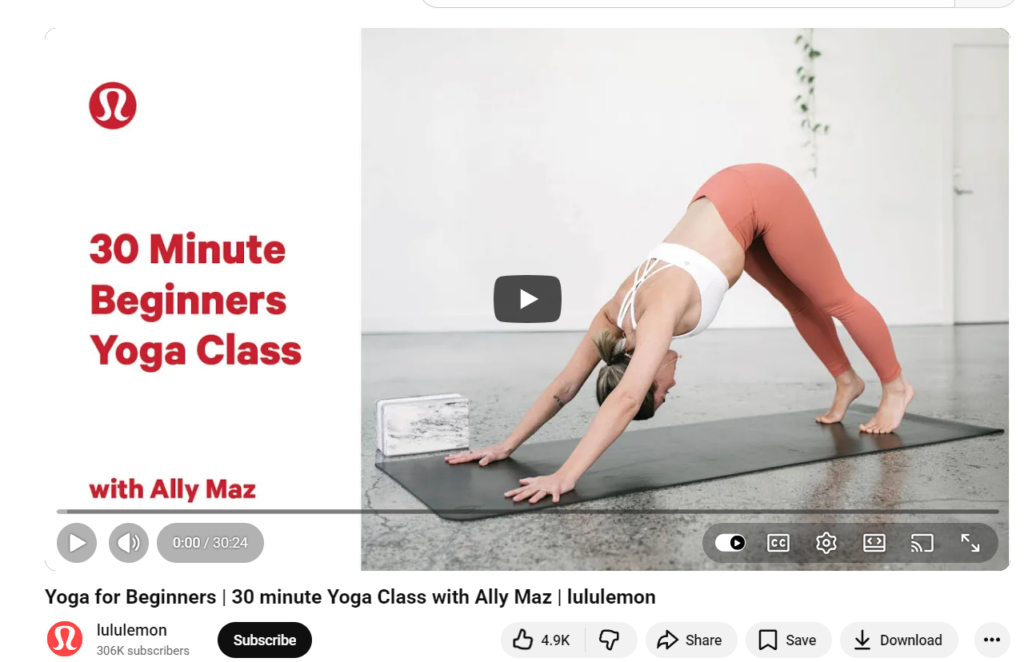
Lululemon’s beginner yoga video resources worked for exactly this reason. They solved a real need, and people linked to them because they were useful.
Creator Reviews & Unboxing Content
Unboxing videos are even simpler than they sound.
A creator receives a product, opens it, and gives initial opinions about expectations versus reality.
Despite their simplicity, these videos remain incredibly powerful, especially when the creator has real trust with the audience.
Today, this extends far beyond YouTube. Product reviews happen across TikTok, Instagram Reels, Shorts, newsletters, and niche communities like Reddit.
Often, sending a product sample to the right creator can be far more valuable than traditional outreach.
The key is confidence.
If you believe in the product, let someone credible experience it honestly.
Authentic reviews outperform manufactured promotion every time.
Run A Great Deal, Then Alert The Right Communities
Deal-driven communities still drive attention, but the landscape has changed.
Instead of relying solely on traditional mommy blogger networks, brands should think about creator ecosystems, niche newsletters, Facebook groups, Reddit communities, and community-driven commerce spaces where recommendations spread quickly.
A short-term deal promoted to the right audience can generate links, mentions, and fast visibility.
Keep the customer type in mind, though.
Some audiences are there for the deal, not the brand. That can mean short-term traffic without long-term loyalty.
Still, if your goal is awareness, first-party data capture, or building relationships in a niche community, it can be very effective.
Create An Inspiration Or Personal Stories Page
Your brand is not defined only by the products you sell, but by the community you create.
Reinforce that brand by showcasing your customers, your creators, and the people who embody your brand’s values.
If you can secure an exclusive interview with a notable figure in your niche, that story can resonate with their audience as well, creating a completely new pool of potential links and attention.
Even when the story isn’t about a celebrity, personal stories help translate your brand into a lifestyle.
Free People has long done this well with its inspiration-driven content.
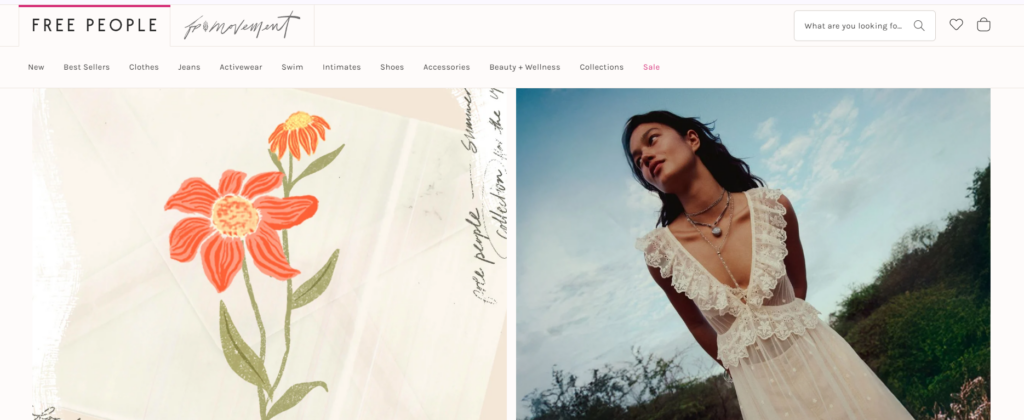
The opportunity today is to make sure that visual storytelling is supported by strong text, structure, and context so that search engines can understand it as well.
Beautiful images alone are not enough.
Get Customers To Interact With Your Brand In An Intimate Way
Creating content is one thing. Creating participation is another.
When customers help shape the content, attention becomes much more consistent.
LEGO is a strong example of this. Through LEGO Ideas, fans can submit their own set concepts, vote on other submissions, and help shape which products eventually make it to market. What begins as user-generated content becomes product development, community engagement, and brand loyalty all at once.
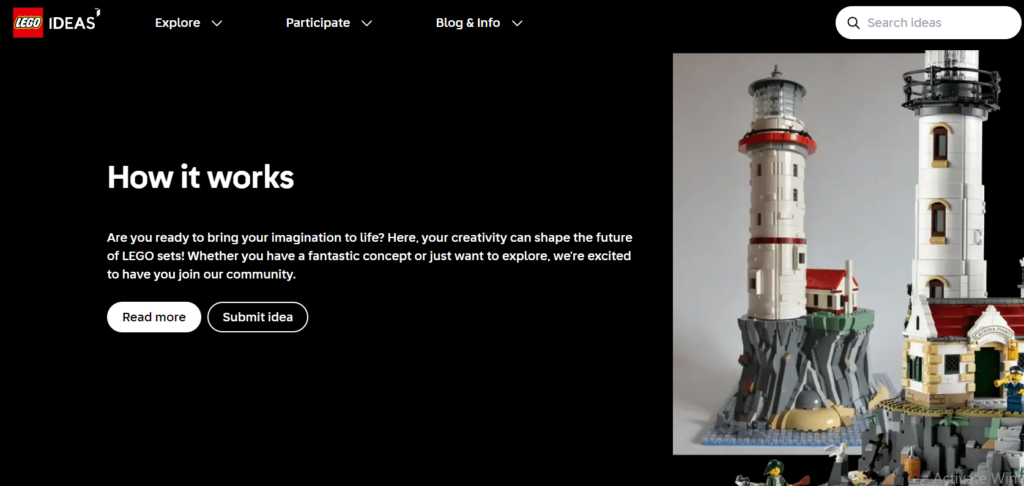
This turns the product into something larger than a purchase. It becomes participation.
That is the goal.
People talk about brands they feel connected to.
Whether it is customer galleries, creator collaborations, community boards, or user-generated content campaigns, the more your audience participates, the stronger your brand signals become.
Competitions
I love competitions because you are essentially having others do your promotion work for you.
And if the contest involves creation of some sort, such as a video, photo, slogan, or social post, the content becomes an asset you can continue to use later.
Also, competitions are often easier to budget for than people realize, especially when the grand prize is a product you already sell, a strategic partnership opportunity, or an experience tied to your brand.
GoPro has long executed this well through its user-generated video challenges. Customers submit their best adventure footage filmed using GoPro cameras, and standout entries are featured across the brand’s marketing channels and social platforms.
The concept is simple, participation feels natural, and the content reinforces exactly what the product is built for.
That alignment is what makes a competition work.
The best contests do not feel like marketing campaigns. They feel like natural extensions of the brand itself.
Final Thoughts
Among the most important tips is to know your end goal.
If you’re an e-commerce site, your end goal isn’t just an awesome link. It’s authority, trust, and ultimately conversion.
A well-placed link on a trusted and relevant site is powerful. It becomes even more valuable when it brings qualified visitors who trust the recommendation and convert.
SEO isn’t about blindly funneling searchers to the front page. It is about building a business that deserves to be discovered.
Your content should be part of that system. It should shape your brand, support the customer’s research process, and help people understand why your product matters in their life.
That is how links become assets instead of tactics.